Crypto Storage
Crypto Storage: Your Ultimate Guide to Keeping Digital Assets Safe
Welcome to the world of crypto! You've taken the plunge, bought your first Bitcoin, Ethereum, or maybe some Dogecoin. That's exciting! But now comes the most critical step: figuring out where and how to keep those digital assets secure. This is where the topic of Crypto Storage truly shines, and frankly, it's the difference between being a successful investor and a cautionary tale.
Unlike traditional money kept in a bank, digital assets put the responsibility entirely on you. You are your own bank. That power is great, but it requires serious security measures. If you lose access or if your storage is compromised, those funds are often gone forever. Don't worry, we are going to break down everything you need to know about keeping your crypto safe and sound.
Understanding Wallets: Where the Magic Happens
When people talk about storing crypto, they aren't talking about storing the actual coins. The coins live on the blockchain. What you are actually storing is the key that grants you access to spend those coins. This key is stored in a "wallet." Think of the wallet not as a place for cash, but as a digital key ring.
Every wallet contains two vital pieces of information: the Public Key and the Private Key. It is absolutely essential to understand the difference between the two before deciding on your ideal Crypto Storage solution.
- Public Key (Your Address): This is like your email address or bank account number. You can share this with anyone, and they use it to send you cryptocurrency. It's public and visible on the blockchain.
- Private Key (Your Password): This is the secret code that proves you own the crypto associated with your public key. If someone gets your private key, they own your funds. NEVER share your private key or seed phrase with anyone.
Hot Wallets: Convenience at Your Fingertips
A Hot Wallet is any wallet that is connected to the internet. They offer unparalleled convenience, allowing you to quickly trade, spend, or move your assets. They are typically software applications, mobile apps, or web-based exchanges.
While fantastic for transactional purposes, their constant connection to the internet makes them more vulnerable to hacking, malware, and phishing attacks. It's a good rule of thumb to only keep a small amount of "spending money" in a hot wallet, much like keeping pocket money in a physical wallet.
Common types of hot wallets include exchange wallets (like those on Coinbase or Binance) and popular software wallets (like MetaMask or Trust Wallet).
Cold Wallets: The Vault Standard
If Hot Wallets are your checking account, Cold Wallets are your savings vault. Cold storage refers to any method of Crypto Storage that is completely offline, meaning your private keys are never exposed to the internet. This is widely considered the most secure way to hold significant amounts of crypto for the long term.
The two main types of cold storage are Hardware Wallets and Paper Wallets.
Hardware Wallets: The Gold Standard in Security
Hardware wallets are small physical devices (looking like a USB drive) that store your private keys offline. They communicate with the blockchain when you want to make a transaction, but the key itself never leaves the device. The transaction signature happens within the secure chip of the device.
Leading hardware wallet brands include Ledger and Trezor. If you are serious about long-term holding, this form of Crypto Storage is a mandatory investment. Remember, even if the device is lost or destroyed, you can recover your funds using your backup seed phrase on a new device.
It is vital that you only purchase hardware wallets directly from the manufacturer to avoid potential tampering or pre-installed malware.
Choosing the Right Crypto Storage Solution
Deciding on the best solution depends entirely on your needs, your frequency of trading, and the total value of your holdings. There is no one-size-fits-all answer, but most experienced crypto users implement a tiered strategy.
Security vs. Accessibility: Finding Your Balance
As a general rule in cryptocurrency, security and accessibility are inversely proportional. The more accessible your funds are (hot wallet), the less secure they tend to be. The most secure methods (cold storage) make spending your crypto slightly cumbersome, which is intentional.
Think about allocating your assets this way:
- Long-Term Savings (90%+ of Holdings): MUST be secured in Cold Storage (Hardware Wallet).
- Active Trading/Spending (5-10% of Holdings): Kept in a Hot Wallet or Exchange Wallet.
This tiered approach minimizes your risk exposure while ensuring you can still participate in the market when needed.
Multi-Signature Wallets: Team Security
For high-value corporate holdings or for individuals who want an extra layer of protection, multi-signature (multi-sig) wallets are a compelling option. A standard wallet requires only one private key signature to authorize a transaction.
A multi-sig wallet requires multiple private keys (signatures) to sign off on a transaction, such as 2 out of 3 or 3 out of 5 keys. If a hacker gets hold of just one key, they still can't move the funds. This significantly boosts the security of your Crypto Storage setup.
Best Practices for Crypto Storage Safety
Even the best storage solution is useless without sound operational security. Here are the golden rules for maintaining the integrity of your crypto funds.
Protect Your Seed Phrase
The seed phrase (or recovery phrase) is the master key to your crypto, usually a list of 12 or 24 words. If you lose your hardware wallet, you use this phrase to restore access. If someone else finds it, they can steal everything.
Remember these critical points about your seed phrase:
- Never store it digitally (e.g., in a cloud service, email, or a phone photo).
- Write it down physically and store it in a fireproof and waterproof location (like a safety deposit box or a metal seed backup plate).
- Do not show it to anyone, ever.
Use Two-Factor Authentication (2FA)
If you use a hot wallet or centralized exchange, always enable 2FA. While SMS 2FA is better than nothing, hardware-based 2FA (like a YubiKey) or dedicated authenticator apps (like Google Authenticator) offer superior protection against SIM-swapping attacks.
Regularly Update Software
Keep the software for your hot wallets and any applications that interact with your hardware wallet updated. Developers often release critical security patches to address newly discovered vulnerabilities. Neglecting updates is a common cause of security breaches in software-based Crypto Storage.
Practice Phishing Awareness
Hackers frequently use sophisticated phishing attempts to trick you into revealing your private keys or logging into fake websites. Always double-check URLs, be skeptical of unsolicited emails regarding your crypto accounts, and remember that legitimate companies will NEVER ask for your private key or seed phrase.
Conclusion
Navigating the options for Crypto Storage can feel overwhelming at first, but the principle is simple: match the security level to the value and intended use of your assets. For daily spending, hot wallets offer speed and convenience. For your life savings, cold storage—specifically hardware wallets—provides the essential, offline protection required in the decentralized world.
By understanding the difference between public and private keys, utilizing the tiered storage strategy, and maintaining rigorous security habits, you empower yourself to be a responsible owner of digital assets. Take security seriously, and you can enjoy the revolutionary potential of cryptocurrency with peace of mind.
Frequently Asked Questions About Crypto Storage
- What is the safest form of Crypto Storage?
- The safest form is generally considered a hardware wallet (cold storage). Because the private keys are stored offline and never exposed to the internet, they are virtually immune to remote hacking attacks.
- Can my crypto be hacked if it's on a hardware wallet?
- It is extremely difficult. While the device itself might be physically compromised, the keys cannot be extracted remotely. The only way funds can be stolen is if someone physically accesses the device AND knows your PIN, or if they gain access to your 12/24-word seed phrase backup.
- Should I keep my crypto on an exchange?
- It is highly discouraged to keep large amounts of crypto on centralized exchanges for long periods. Exchanges are hot targets for hackers, and if the exchange is compromised or fails, your funds are at risk (often referred to as "Not your keys, not your coins"). Only keep funds on an exchange that you plan to trade immediately.
- What is a seed phrase and why is it so important?
- A seed phrase (or recovery phrase) is a sequence of words generated by your wallet that acts as a master backup key. It is the only way to restore access to your cryptocurrency if your wallet device is lost, stolen, or broken. It must be guarded even more carefully than the device itself.
Crypto Storage
Crypto Storage Wallpapers
Collection of crypto storage wallpapers for your desktop and mobile devices.

Gorgeous Crypto Storage Background Illustration
This gorgeous crypto storage photo offers a breathtaking view, making it a perfect choice for your next wallpaper.

Serene Crypto Storage Photo Art
Explore this high-quality crypto storage image, perfect for enhancing your desktop or mobile wallpaper.

Detailed Crypto Storage Photo in 4K
Experience the crisp clarity of this stunning crypto storage image, available in high resolution for all your screens.

Dynamic Crypto Storage Artwork Digital Art
A captivating crypto storage scene that brings tranquility and beauty to any device.

Mesmerizing Crypto Storage Landscape Concept
Experience the crisp clarity of this stunning crypto storage image, available in high resolution for all your screens.

Lush Crypto Storage Abstract Collection
A captivating crypto storage scene that brings tranquility and beauty to any device.

Serene Crypto Storage Background Illustration
Discover an amazing crypto storage background image, ideal for personalizing your devices with vibrant colors and intricate designs.

Stunning Crypto Storage Moment Collection
This gorgeous crypto storage photo offers a breathtaking view, making it a perfect choice for your next wallpaper.

Stunning Crypto Storage Photo for Your Screen
Find inspiration with this unique crypto storage illustration, crafted to provide a fresh look for your background.

Serene Crypto Storage Background Nature
Explore this high-quality crypto storage image, perfect for enhancing your desktop or mobile wallpaper.

Spectacular Crypto Storage Landscape for Desktop
A captivating crypto storage scene that brings tranquility and beauty to any device.

Stunning Crypto Storage Artwork Nature
A captivating crypto storage scene that brings tranquility and beauty to any device.

Dynamic Crypto Storage Abstract Concept
Find inspiration with this unique crypto storage illustration, crafted to provide a fresh look for your background.

Stunning Crypto Storage Moment Photography
Find inspiration with this unique crypto storage illustration, crafted to provide a fresh look for your background.

Breathtaking Crypto Storage Design Nature
Explore this high-quality crypto storage image, perfect for enhancing your desktop or mobile wallpaper.
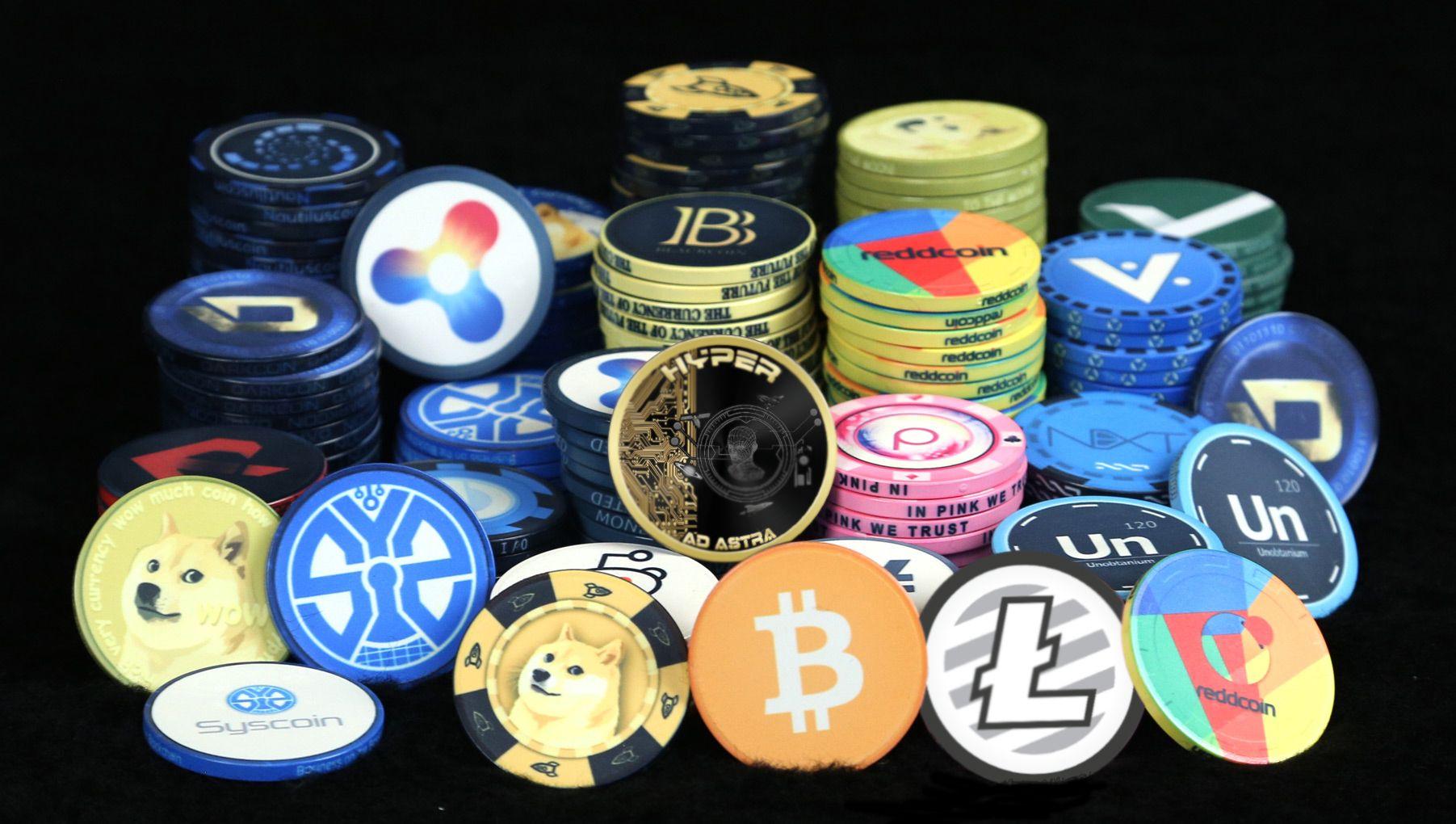
Detailed Crypto Storage Picture Collection
Explore this high-quality crypto storage image, perfect for enhancing your desktop or mobile wallpaper.

Dynamic Crypto Storage Design Art
Immerse yourself in the stunning details of this beautiful crypto storage wallpaper, designed for a captivating visual experience.

Vibrant Crypto Storage Image Illustration
Transform your screen with this vivid crypto storage artwork, a true masterpiece of digital design.

Detailed Crypto Storage Moment in 4K
Transform your screen with this vivid crypto storage artwork, a true masterpiece of digital design.

Lush Crypto Storage Picture Photography
A captivating crypto storage scene that brings tranquility and beauty to any device.
Download these crypto storage wallpapers for free and use them on your desktop or mobile devices.
0 Response to "Crypto Storage"
Post a Comment